Product ResearchSemiconductorArtificial Intelligence
Memory Is the New Bottleneck in AI Semiconductors
I
Ido Caspi
Mar 23, 20267 min read
Copyright © 2026 Global X. All rights reserved.
SEI Investments Distribution Co. (1 Freedom Valley Drive, Oaks, PA, 19456) is the distributor for the Global X Funds.
Check the background of SIDCO and Global X's Registered Representatives on FINRA's BrokerCheck.
Get the latest news and updates from our team.
Tejas Dessai
Ido Caspi
In February 2023, Global X Research surveyed 302 individuals in the United States regarding their reservations and expectations concerning generative artificial intelligence (AI). This includes gauging consumer sentiment on its aptitudes, how it will influence specific themes, and the coexistence of humankind and AI. Topics ranged from artificial intelligence’s impact on the job market to whether it can surpass human intelligence.
40% of respondents feel AI integration into education will decrease the value of human-led education.
Nearly 80% of survey respondents believe AI will either minimally or negatively impact the job market.
About two-thirds of respondents at least somewhat trust AI content creation within news and music.
Surveyed individuals are indecisive when it comes to how AI will impact media consumption. About 40% believe it will decrease the value and authenticity of media, while about 30% believe it will greatly increase the amount and variety of media we have access to.
Around 50% of respondents are still concerned about the safety of AI-generated drugs and want human input during medical diagnoses, while the other 50% see great potential or remain unsure.
Over 40% of surveyed individuals see the potential of AI in industrial use cases such as infrastructure, transportation, and logistics, with less than a third in opposition.
Only a third of respondents consider utilizing AI in writing personal messages and emails.
Of the around 80% of respondents with an opinion, half believe AI can be used for decision making.
Even though over 50% of respondents answered that AI will never be able to rival human-made art or is limited to mimicking human thought, 45% believe generative AI is able to surpass human intelligence in some areas.
Almost three-fourths of individuals are concerned about the possible misuses of AI for deepfake videos.
Four-fifths of respondents agree there should be ethical guidelines in place for the use of generative AI.
Click here to download the Global X ETFs Survey, Future of Generative AI.
AI’s rapid expansion is shifting the semiconductor bottleneck from compute to memory, positioning high-bandwidth memory leaders to benefit.
AI’s rapid expansion is shifting the semiconductor bottleneck from compute to memory, positioning high-bandwidth memory leaders to benefit.
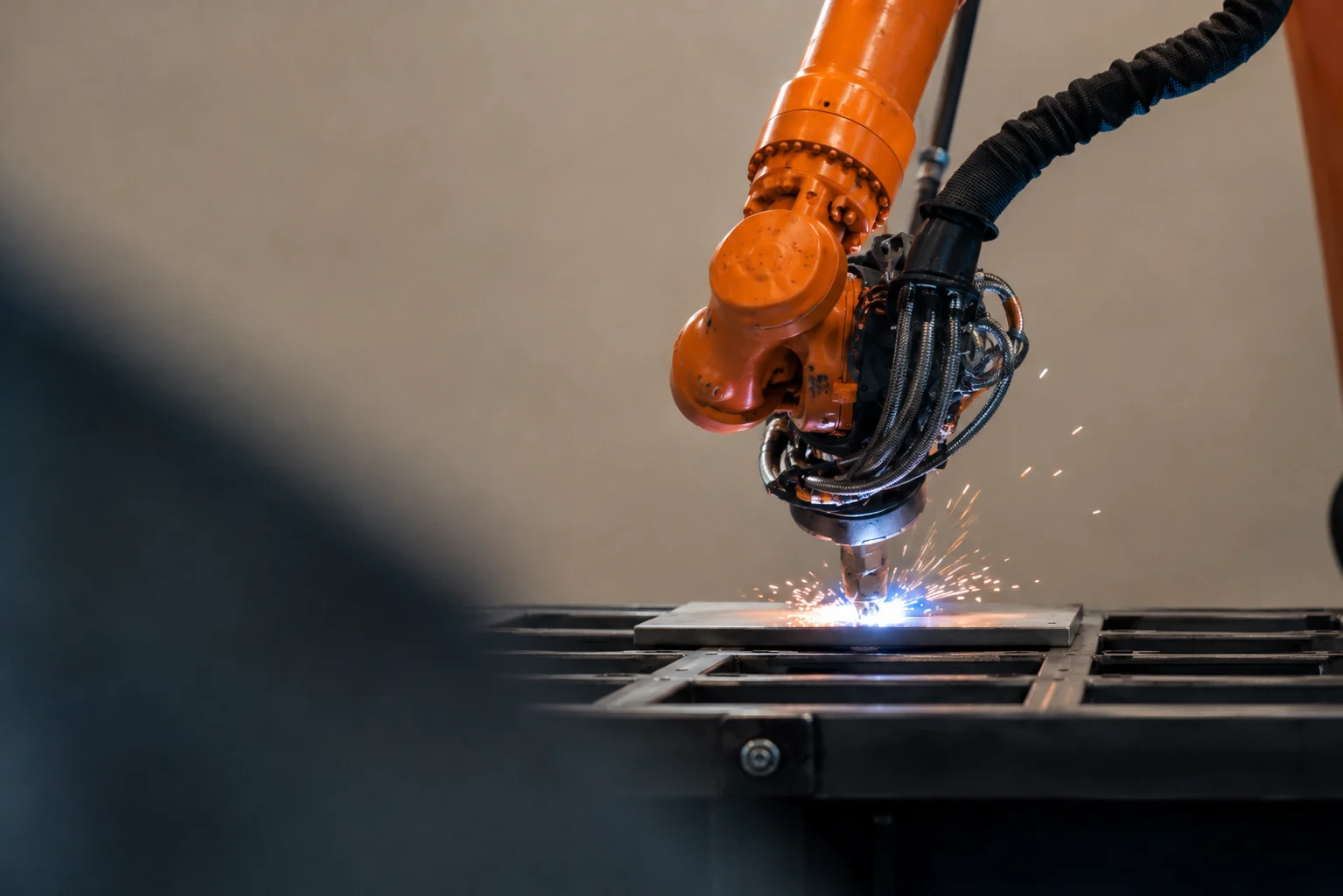
We believe falling costs, rapid technological improvement, and a supportive policy backdrop are converging to push robotics toward an inflection point in 2026.
We believe falling costs, rapid technological improvement, and a supportive policy backdrop are converging to push robotics toward an inflection point in 2026.