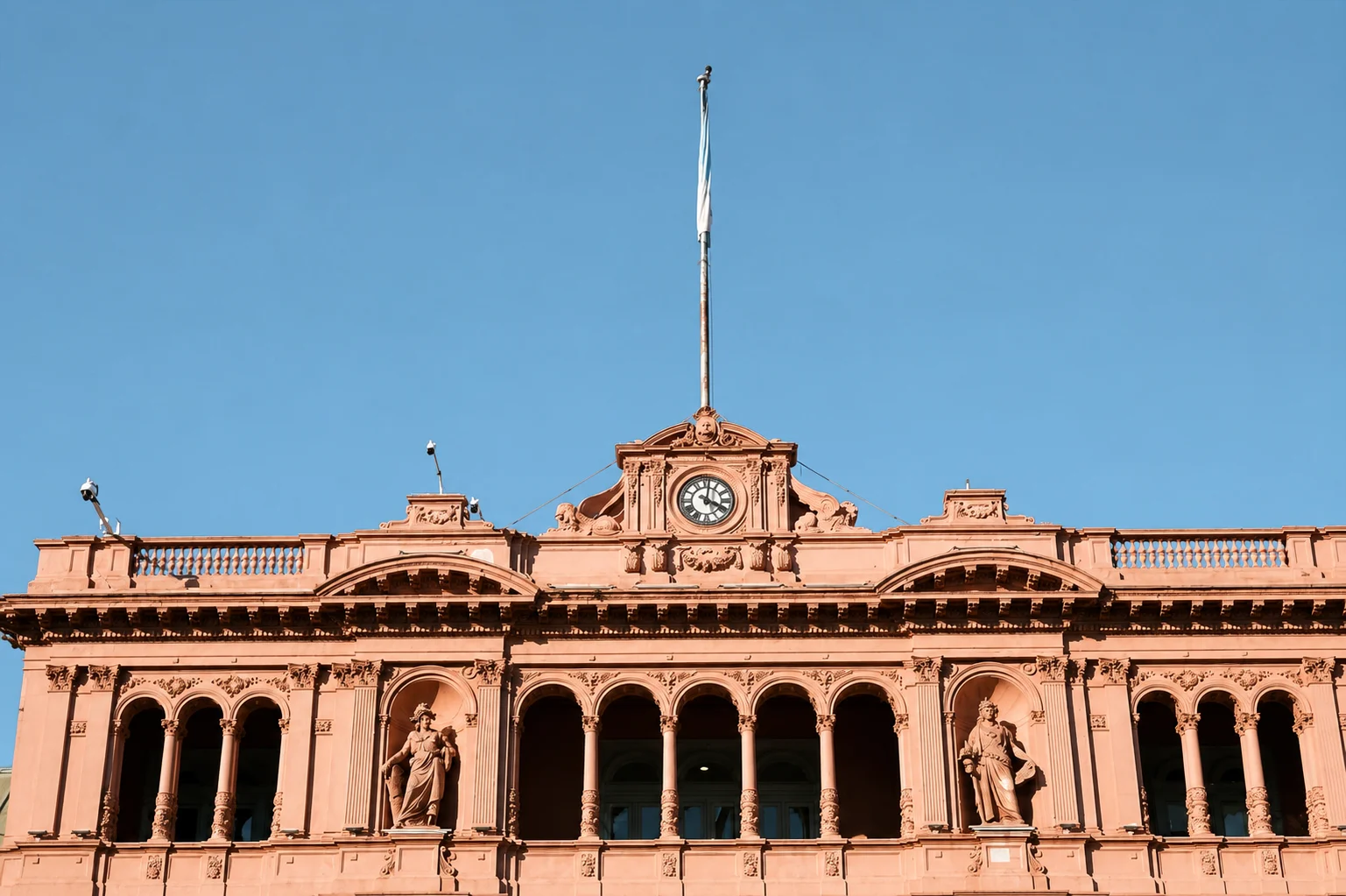
Our team’s “Views From the Ground” series continues with our recent visit to the Middle East & North Africa (MENA) region, where we met with 15 corporates (including several of our holdings) from Turkey, India, Saudi Arabia, Abu Dhabi, and Dubai; local capital market authorities; analysts; and economists. We also took a real estate tour to see developments in Dubai with our own eyes and tested several local quick serve restaurant (QSR) brands for delivery and quality.
Key Takeaways
The MENA region is often overlooked by investors, but we see numerous avenues for potential structural growth.
A regional transformation is underway, as countries look to diversify their economies beyond oil and gas and enact business-friendly structural reforms.
In addition to the region’s favorable growth prospects and economic stability, we believe that equity market valuations are attractive.
“If a tree falls in a forest and no one is around to hear it, does it make a sound?”: A Secular Growth Story if You Are Listening
We are not the first to compare the growth of an overlooked and nascent market to this common philosophical question, but we are pounding the drums over the structural growth that we see ahead in the MENA region at roughly 4% ex-oil gross domestic product (GDP) growth, and we hope that others are also listening!1 The market has grown to nearly 7.5% of the MSCI Emerging Markets Index and 34% of the MSCI Emerging Markets ex-Asia Index, and one analyst we spoke with sees positive drivers creating the potential for another $10bn in passive flows that could drive the region to represent more than 10% of MSCI EM, which would overtake Latin America (LatAm) as a region.2
However, the average active global emerging markets (GEM) fund manager is over 50% underweight the MENA region relative to the benchmark, according to an analyst we met with. Moreover, we were told that it’s estimated that the average active GEM fund owns ~3.6x more LatAm than MENA, despite expected GDP growth in the MENA region of ~4.2% versus only ~2.5% for LatAm by 2025!3 This means that most are missing the regional transformation that is underway, which includes:
An Under-Owned Region: MENA’s weight in the MSCI Emerging Markets Index stands at ~7.5%, compared to MENA equities’ allocation in active GEM funds at only ~2.9% (based on the top 200 funds as of January 24, 2024), pointing to a material underweight position relative to the benchmark.4,5
MENA is Overdelivering: The International Monetary Fund (IMF) projects 2.9% and 4.2% GDP growth for the MENA region in 2024 and 2025, compared to 1.9% and 2.5% for LatAm.6 Comparing the largest country in each region, the difference is even starker, as Saudi Arabia is forecast to grow 2.7% and 5.5% in 2024 and 2025, compared to 1.7% and 1.9% for Brazil.7
Potential to Reach 10% of MSCI EM: The region is bustling with equity capital markets activity. There have been over 114 deals announced over the last 12 months in the MENA region worth over $11bn, and we see clear appetite for more.8 Our meeting with the Tadawul Group (Saudi Exchange) confirmed a pipeline of at least 56 IPOs in Saudi Arabia alone for 2024 and over 100 for the medium term, while meetings with several companies related to energy giant ADNOC corroborated a desire to increase free-floats above 10% eventually in order to be considered for MSCI inclusion.9 Saudi Aramco is also considering another 10-20% secondary placement from the Kingdom’s Public Investment Fund (PIF).10 The Dubai Supervisory Committee also wants to see an increase in total volume and listings on the Dubai stock exchange. Regulatory reforms, such as potential foreign ownership limit changes in Saudi Arabia, similar to what already occurred in Qatar and the UAE, could also drive additional passive flows to the market.
A China Alternative and an India Connection: The MENA region sits between the East and West, and many countries are trying to position themselves as another China alternative in the region. In our view, the growth of the India-MENA connection has been underappreciated, as trade between the two has gradually moved from one primarily based on oil in exchange for food towards an exchange of high-skill manufacturing, with India selling pharmaceuticals, electric vehicles, and metals to the MENA region in exchange for aeronautical products, plastics, and chemicals. Bilateral non-oil trade with the UAE was up around 6% in the first 12 months since the signing of the Comprehensive Economic Partnership Agreement with India, as it reached $50.5bn, with a target of $100bn in trade by 2030.11 India and MENA share both a long history and similar values, and given the India-China rivalry, India has avoided Chinese foreign direct investment (FDI), which has opened the door for countries in the MENA region to step in.
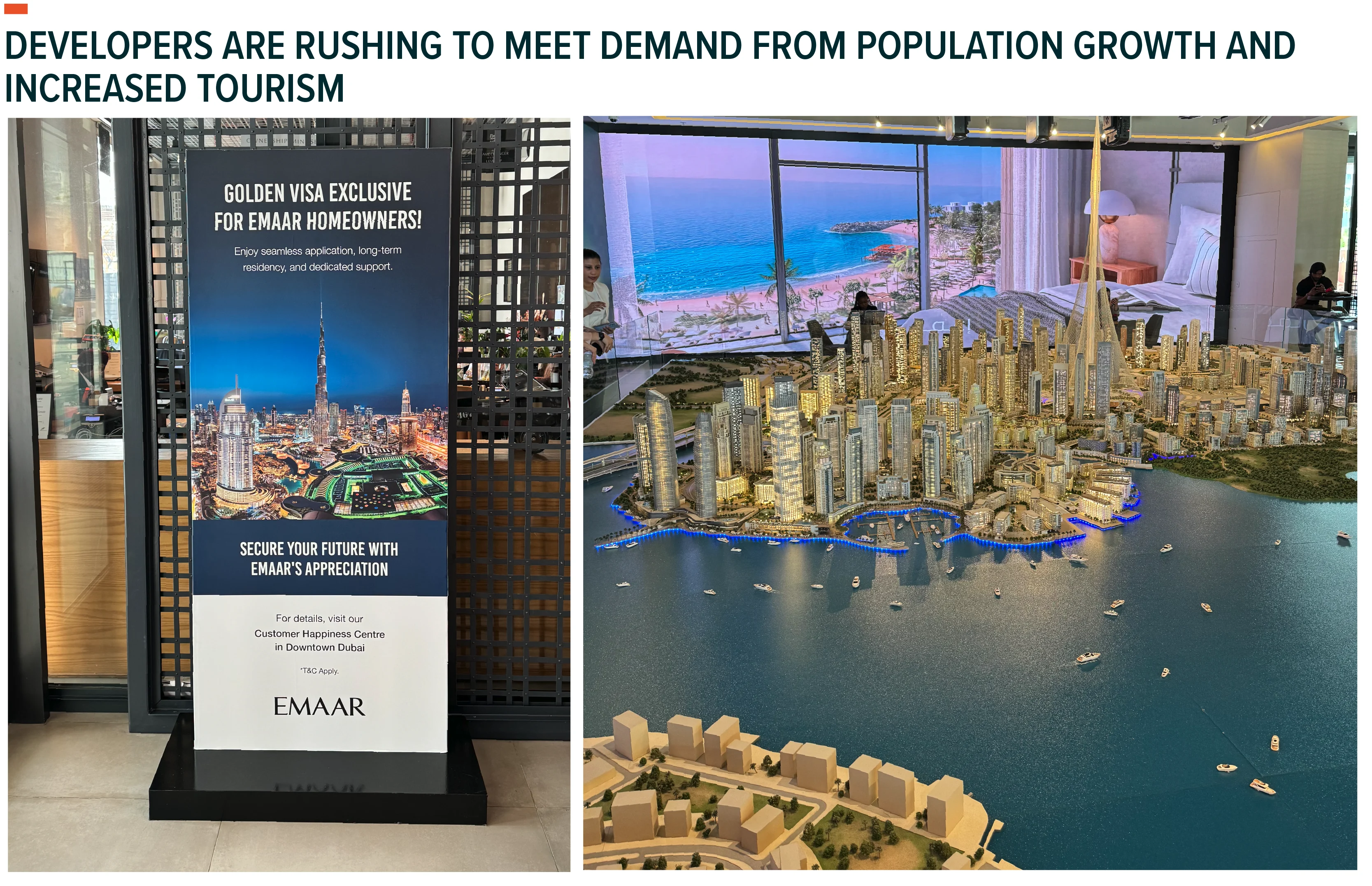
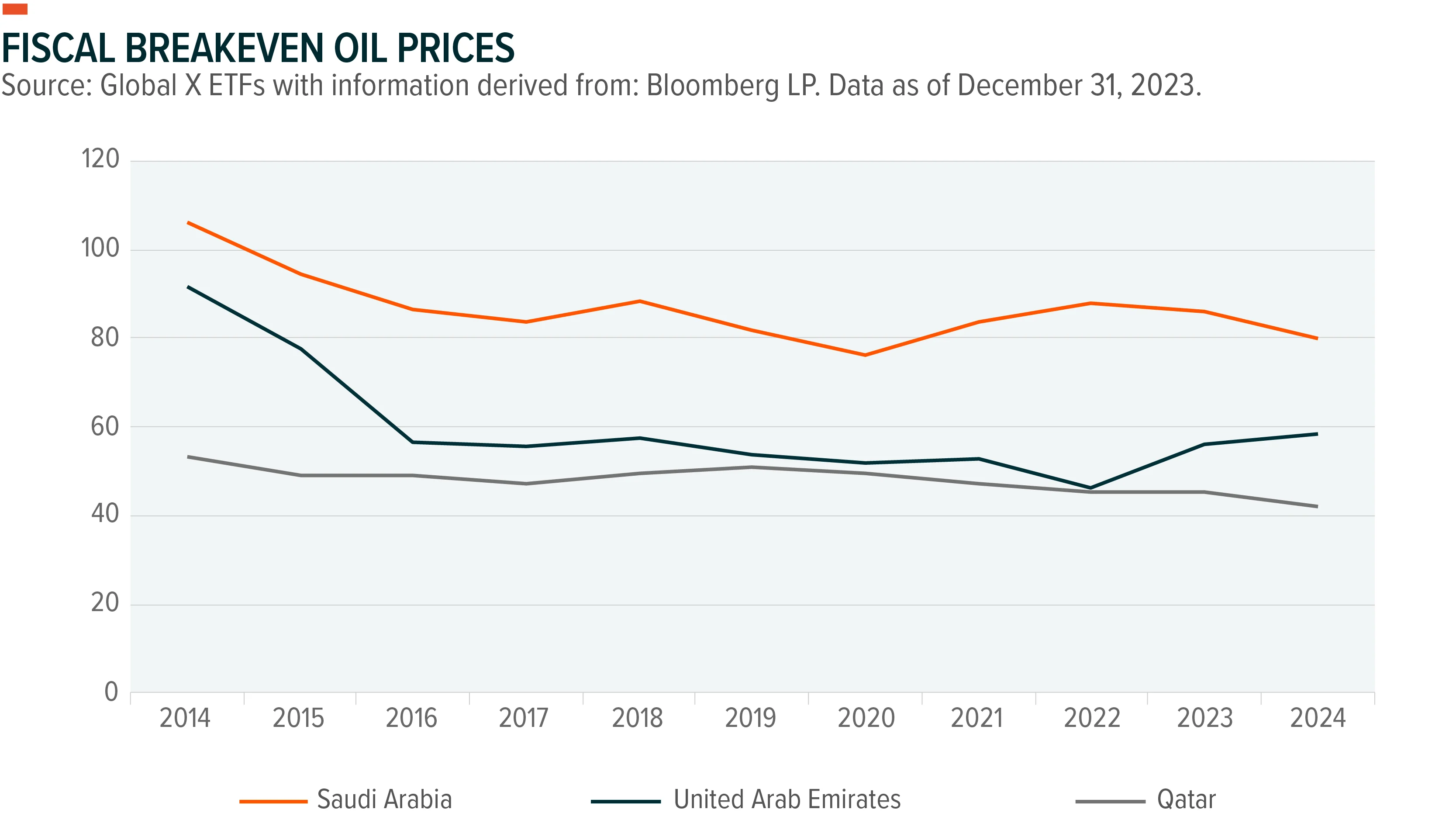
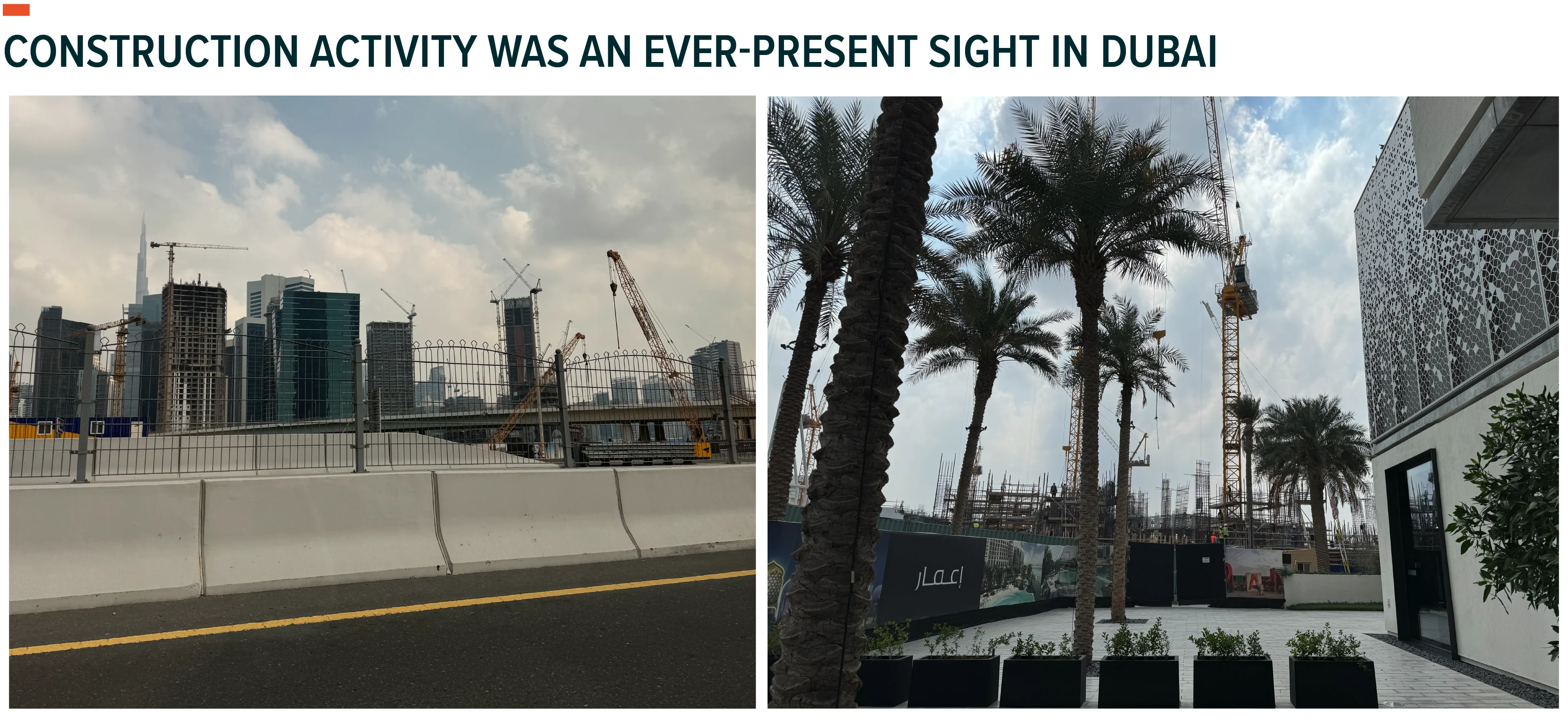
More Than an Oil Play: Since the oil price plunge in 2014-16, Gulf Cooperation Council (GCC) countries have looked to accelerate their economic diversification and decrease their reliance on oil-related revenues. In 2016, all GCC countries pledged to introduce a common VAT rate, but the tax environment remains favorable. Corporate income tax rates are still well below average OECD (Organization for Economic Co-operation and Development) levels, many industries still have exemptions, and personal income taxes are still not in place. Spending on “Giga” projects will be largely handled by the sovereign wealth fund PIF Saudi Arabia and will make up a large part of public capex spending, but not a part of the Kingdom’s budget. Although recent events like the Covid-19 pandemic and short-term increases in spending on public projects have impacted fiscal breakeven oil prices in the near term, we sense a strong desire to continue diversifying MENA economies from their reliance on oil prices to support fiscal needs and expect OPEC+ to keep an eye on oil market tightness, prices, and budget needs. The region is also seeing transformational infrastructure and housing growth as the population booms. In fact, it was harder to find parts of Dubai that didn’t have any construction cranes than those that did! In some cases, reforms like golden visas (long-term residence visas for foreigners) have helped expedite growth further, and it was not uncommon to see queues at sales offices for new properties.
We continue to see the MENA region as an attractive long-term investment opportunity. Not only do we anticipate GDP growth to remain above the developed market average, supported by long-term structural reforms, but we see potential catalysts for passive flows into the market, as well. Equity capital market activity will likely remain elevated. A weighted average return of +86% and +35% from IPOs in the last twelve months in Saudi Arabia and the UAE, as well as Modern Mill’s recent IPO being 127x covered, create a paradox of opportunity for us, as the region remains massively under-owned versus the benchmark.13 Furthermore, the region still trades at attractive valuations, with the MSCI Saudi Arabia Index, MSCI UAE Index, and MSCI Qatar Index trading at 6.0%, 17.4%, and 23.9% discounts to their five-year historical price-to-earnings averages, respectively.14
Company Spotlights
Conclusion
Overall, we left the Middle East with strong conviction about the region’s growth prospects. Signs of growth and development were ubiquitous on our trip, and we are optimistic about the impact structural changes will have as these countries look beyond the energy sector for economic growth. When combined with attractive equity valuations and investors’ underweight positions, we think there is an exciting opportunity for investors in the region.